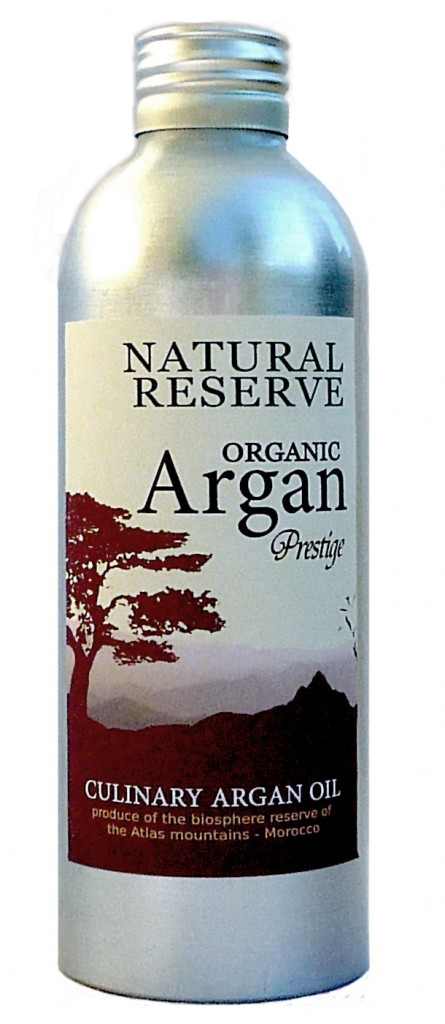
The World’s Healthiest Culinary Oil?
The health benefits of culinary Argan Oil
There have been a number of studies into Culinary Argan oil and its health benefits, in particular the cholesterol reducing effects, anti inflammatory effects and possible Chemo-preventative effects of Argan Oil in the Moroccan diet.
Gamma tocopherol makes up 75% of the tocopherols in Moroccan Oil.
Alpha-Tocopherol and gamma-tocopherol are the two important forms of vitamin E in human plasma and the primary lipid soluble antioxtdants. Research shows that gamma-tocopherol could play a significant role in helping intracellular antioxidant defence mechanisms. Gamma tocopherol can protect against nitrogen-based free radicals, which alpha tocopherol cannot do. Nitrogen free radicals can eases chronic inflammation and is further connected to cancer, heart disease and degenerative brain disorders like Alzheimer’s disease.
Ageing is associated with a decline in plasma levels of gamma tocopherol, but not of alpha tocopherol Researchers found that large doses of alphatocopherol depleted plasma levels of gamma tocopherol, while the presence of gamma-tocopherol promoted the accumulation of alpha-tocopherol.
Because Moroccan Argan Oil is rich in vitamin B, it can be eaten intake without taking in too much fat.
Moroccan Oil FATTY ACIDS Content
More than 80% of Argan oil’s fatty acids are the unsat-urated acids oleic (43%) and linoleic (36%). Oleic fatty acid is a monounsaturated fatty acid that helps reduce blood levels of LDLs (“bad cholesterol”) and leaves HDLs (“good cholesterol”) unchanged.
Moroccan Oil LINOLEIC ACID Content
Linoleic is a polyunsaturated fatty acid or essential fatty acid that cannot be synthetized from out body and thus has to be brought from outside. Polyunsaturated fats help lower the level of LDLs and therefore have often been recommended to reduce coronary heart disease.
Moroccan Oil SQUALENE Content
Compared to many other seasoning oils, this Moroccan Oil contains high contents of squalene (31Omg/lOOg), which is thought to be protective against skin cancer.
Moroccan Oil STEROLS Content
It is believed that the sterols in Argan oil are relatively rare in their combination compared with all other vegetable oils, there are no other vegetable olls with a comparable composition: The schottenol content (48%), exhibits an anticarcinogenic potential and spinasterol (40%) that is likely to have anti-tumongenic and anti-cholesterol effects. Moroccan Culinary Argan Oil is made by lightly roasting the Argan Oil Nuts before before pressing. This gives and oil with a golden brown colour and delicious nutty flavour.
How to use culinary Argan Oil
Culinary Argan Oil is a very flexible oil with a creamy, roasted nutty taste. It adds flavour and richness to sweet and savoury dishes.
Argan is most commonly used in Morocco as a kind of butter. It is eaten by dipping bread into the oil and eating. This is best done using a good quality thick bread or even a french baguette style of bread.
Use it to create unique new nutty Salad Dressings, Sauces, pour over food, such as roasted pepper, before serving or stirred into soups, roasts or Tagines.
Use on roasted goat-cheese with almonds, blend with honey to create a breakfast spread, blend with melted chocolate or cream to create unique ice cream sauces add to nutty stuffings and salsas to add a deep rich flavour. Can be used for cake and biscuit making and in the classic Moroccan dishes such as “Slilou” or Baklava.
For full details of the scientific evidence and full health/medical applications of this oil please request the Free e_Booklets from the arganoildirect website
Click here for Culinary Argan Oil Recipe suggestions and ideas.
|